In the realm of construction, sourcing quality building plywood is crucial. Renowned expert Richard Mason, a leading figure in the plywood industry, once stated, "Quality plywood is the backbone of any successful building project." His insight underscores the importance of selecting the right materials to ensure structural integrity.
Building plywood serves multiple purposes, from framing to finishing touches. However, not all plywood is created equal. When navigating the market, it’s essential to recognize the distinctions in wood grades and types. Some plywood may appear attractive but lacks durability.
Understanding the specifications of building plywood can prevent costly mistakes. Buyers must be vigilant about factors like plywood thickness and moisture resistance. Often, projects are compromised due to poor material choices. Reflecting on these concerns helps emphasize the need for careful selection. Quality sourcing can significantly impact the lifespan and safety of any construction project.
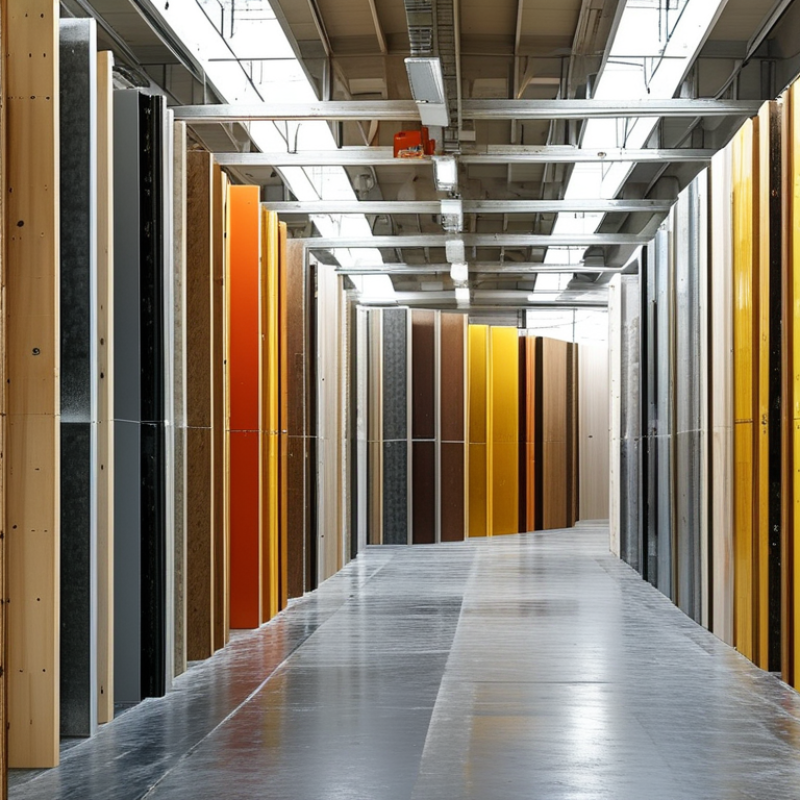
Understanding Plywood Grades: The Key to Quality Assurance
Understanding plywood grades is crucial for sourcing quality building materials. Plywood is categorized based on its grades, influenced by factors such as appearance, strength, and intended use. Higher-grade plywood often has fewer defects and a smoother finish, making it ideal for visible surfaces. For example, A-grade plywood is often used in cabinetry or furniture. It showcases a flawless appearance, suitable for interior design.
However, not all projects necessitate A-grade plywood. Lower grades, like C or D, may contain more knots and imperfections but are perfectly acceptable for structural purposes. It's essential to assess the specific needs of your project before deciding on the grade. Understanding these distinctions allows builders to make informed choices, balancing quality and cost effectively.
Vigilance is necessary when selecting plywood. Some suppliers may mislabel products, leading to costly mistakes. Always verify certifications and check for proper labeling. Plywood that doesn't meet established standards can hinder structural integrity. A reflective approach can mitigate issues, ensuring that you source quality plywood tailored to your project's demands.
Top 10 Tips for Sourcing Quality Building Plywood
Evaluating Wood Species: Choosing Between Softwood and Hardwood Plywood
When selecting plywood, the choice between softwood and hardwood is crucial. Softwood plywood, made from trees like pine and fir, tends to be more affordable. However, it may not withstand heavy loads as effectively as hardwood. Softwoods are lighter, easier to work with, and can be ideal for structural purposes. Yet, for projects demanding durability, hardwood plywood is often the better option. Birch and oak are among popular hardwood types, offering superior strength.
Consider the intended use of the plywood. For exterior applications, softwood may be sufficient, especially when treated for weather resistance. However, if aesthetics and longevity are priorities, hardwood presents a more suitable choice. Hardwood also provides a finer finish, enhancing visual appeal for furniture or cabinetry. Remember that both types have unique features. Testing samples can reveal performance differences under pressure or weight.
Plywood quality varies significantly based on wood species. Softwoods usually have larger knots, which could compromise strength. Hardwoods, in contrast, generally have fewer imperfections, providing a more uniform grain. Careful evaluation of these factors can save time and money in the long run, ensuring you select the right plywood for your project. Explore all options before making a decision, and don’t hesitate to seek expert advice.
Inspecting Manufacturing Standards: Importance of Compliance and Certification
When sourcing quality building plywood, understanding manufacturing standards is vital. Compliance and certification ensure that products meet safety and performance requirements. According to a recent report by the American Plywood Association, certified plywood offers better structural integrity. This not only safeguards building integrity but also aligns with legal regulations in many regions.
Inspecting certifications helps buyers gauge product reliability. Many projects have suffered due to subpar materials, leading to costly repairs. In fact, a study showed that using non-compliant plywood increased failure rates in structural applications by over 30%. Buyers must prioritize sourcing from manufacturers with recognized certifications like the International Organization for Standardization (ISO).
Quality inspection is often overlooked. Relying on certifications without proper inspection may lead to poor decisions. Some manufacturers might present misleading information. It’s essential to verify claims through independent audits and check for signs of compliance during inspections. Knowledge of local regulations and compliance standards is key in maintaining quality and safety in construction projects.
Assessing Environmental Impact: Sourcing Sustainable and Eco-Friendly Plywood
When sourcing building plywood, the environmental impact is critical. To ensure you are choosing sustainable materials, prioritize eco-friendly certifications. Look for products that have been harvested responsibly. Certification labels can guide you in making informed choices.
Select plywood from FSC-certified suppliers. These certifications guarantee that the wood comes from well-managed forests. Consider using reclaimed wood or recycled plywood as alternatives. This practice minimizes waste and reduces deforestation concerns.
When evaluating options, pay attention to the adhesive used in plywood. Formaldehyde-free adhesives are ideal for indoor projects. They emit fewer harmful chemicals, contributing to indoor air quality and sustainability. Evaluating the complete lifecycle of your plywood will lead to better environmental choices. Sustainable sourcing is vital for a healthier planet. Your decisions today can influence future resources.
Top 10 Tips for Sourcing Quality Building Plywood
| Tip Number |
Tip Description |
Environmental Impact |
Sourcing Method |
| 1 |
Look for certified plywood products |
Ensures sustainable forestry practices |
Direct from certified suppliers |
| 2 |
Evaluate the lifecycle of the plywood |
Minimizes ecological footprint across production |
Life-cycle assessment tools |
| 3 |
Check for formaldehyde emissions |
Reduces indoor air pollution |
Select low-VOC options |
| 4 |
Consider bamboo plywood |
Rapidly renewable resource |
Purchase from sustainable bamboo farms |
| 5 |
Assess the thickness and grading |
Higher quality means less waste over time |
Consult with experts for specifications |
| 6 |
Research local suppliers |
Reduces transportation emissions |
Community-based sourcing |
| 7 |
Ask about production and milling practices |
Supports ethical labor and environmental practices |
Direct engagements with manufacturers |
| 8 |
Choose suppliers with a transparency policy |
Ensures accountability in sourcing |
Look for published sustainability reports |
| 9 |
Inquire about end-of-life options |
Facilitates recycling and reduced landfill waste |
Discuss options with suppliers |
| 10 |
Stay informed on industry regulations |
Aligns sourcing with legal standards |
Subscribe to industry newsletters |
Comparing Price vs. Quality: Making Informed Purchasing Decisions
When sourcing quality building plywood, understanding the balance between price and quality is crucial. Finding a reliable supplier often means navigating a landscape of varying prices. Low-cost options can be tempting, but they may compromise on quality. It's essential to assess what you actually need for your project. Sometimes, spending a bit more now can save you from costly repairs later.
Quality plywood should meet certain standards. Check for thickness, finish, and any visible defects such as cracks or knots. Certifications can be a good indicator of quality, but analyzing the plywood's performance is equally important. Consider how it will hold up against environmental factors like moisture and humidity. A strong focus on these details often leads to better purchasing decisions.
In the quest for quality, don’t overlook the value of feedback from past buyers. Reviews and ratings provide insights but can sometimes be misleading. Striking a balance between expert recommendations and personal experience is key. Reflect on your own needs and the specific requirements of your project. Quality materials can lead to enhanced durability and longevity, making it worth the investment.
Conclusion
When sourcing quality building plywood, understanding the different plywood grades is essential for ensuring reliable performance and durability. Evaluating wood species, whether opting for softwood or hardwood plywood, plays a crucial role in meeting specific project requirements. Compliance with manufacturing standards and obtaining necessary certifications are vital in assessing the quality and safety of the plywood.
Additionally, considering the environmental impact is increasingly important, with a focus on sourcing sustainable and eco-friendly plywood options. Finally, making informed purchasing decisions by comparing price versus quality helps guarantee that the selected building plywood not only fits the budget but also aligns with the desired standards of performance and sustainability.

 Quality