In the construction industry, Film Faced Plywood has become a popular choice worldwide. This material is highly valued for its durability and versatility. A report by Research and Markets states that the global market for Film Faced Plywood is expected to reach $8 billion by 2025. Yet, many projects still overlook its advantages.
John Smith, a renowned expert in the field, once stated, "Film Faced Plywood provides unmatched stability and strength for construction needs." His insights highlight the material's essential role in modern building practices. However, despite its benefits, some projects face challenges in sourcing high-quality Film Faced Plywood.
Issues such as variations in production standards and inconsistent supply chains can lead to construction delays. Therefore, it's crucial for contractors to thoroughly evaluate suppliers. Relying solely on price may result in subpar materials that compromise safety and structural integrity. Hence, both selection and sourcing need thoughtful consideration to ensure project success.
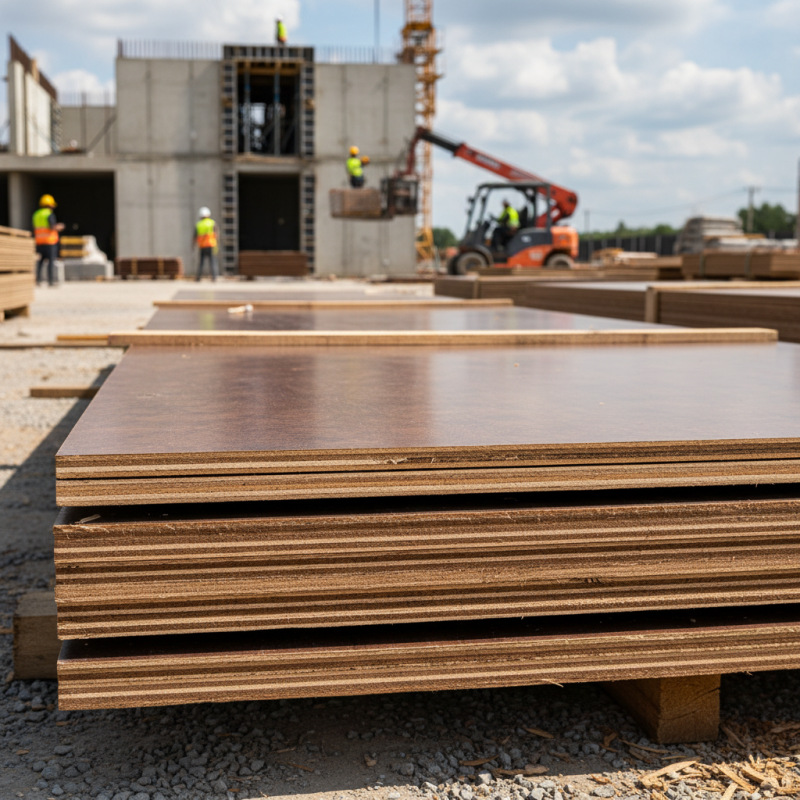
Best Film Faced Plywood: Introduction to Its Role in Construction
Film faced plywood has become integral in construction projects across the globe. It provides a smooth surface, making it ideal for concrete formwork. According to a report by the International Plywood Association, it is estimated that 70% of construction firms prefer film faced plywood for its durability and versatility.
When selecting the best film faced plywood, consider the thickness and the quality of the film. Many professionals recommend a minimum thickness of 12mm for heavy-duty applications. While these sheets are water-resistant, they are not entirely waterproof, so proper care is essential. It's crucial to evaluate the source of the plywood for better reliability.
Tip: Always check for certifications to ensure quality. A product that meets international standards may save costs in the long run. Watch for signs of delamination or warping after use, as they could indicate poor quality or inadequate storage conditions.
It’s worth noting that while film faced plywood offers many advantages, some projects may reveal challenges. For instance, careful handling is vital; improper transport may lead to surface damage. Investing in better handling practices can mitigate this risk, enhancing your project's overall success.
Key Properties of Film Faced Plywood That Enhance Durability
Film faced plywood is a popular choice for construction projects worldwide. Its durability stems from several key properties that enhance performance in various environmental conditions. The film overlay provides a waterproof barrier, preventing damage from moisture and extending the plywood's lifespan. This protective layer also ensures that the surface remains smooth, allowing for easy removal from molds in concrete work.
One essential feature is its resistance to abrasion. This quality makes it suitable for high-traffic construction sites where wear and tear are common. Film faced plywood can endure rough handling, reducing the need for frequent replacements. Its lightweight nature also contributes to easier handling and transport, which can lead to cost savings.
Tips: Always check the thickness of the plywood for optimum strength. Consider the working conditions, as extreme temperatures can affect performance. Assess your project requirements and choose accordingly, especially if the plywood will face harsh elements. Avoid selection based solely on price; quality is paramount for durability and effectiveness.
Durability Properties of Film Faced Plywood in Construction Projects
Global Market Trends and Statistics for Film Faced Plywood in 2023
The global market for film faced plywood is evolving rapidly in 2023. This type of plywood is favored for its durability and moisture resistance. Many construction projects choose film faced plywood for formwork due to its smooth finish. The demand is significant in both residential and commercial sectors. However, the market also faces challenges.
Supply chain disruptions have affected availability. Prices have fluctuated, leaving some contractors reconsidering their material choices. It is essential to assess quality and cost-effectiveness in these scenarios. Innovations in manufacturing are emerging, aiming to improve the sustainability of film faced plywood. The shift towards eco-friendly materials reflects a growing trend in construction practices.
Regional differences in demand and supply also exist. Some areas report a surge in use, while others face a decline. This inconsistency highlights a need for careful market analysis. A focus on local suppliers could mitigate some issues. Ultimately, understanding these global trends is vital for making informed decisions in construction projects.
Comparative Analysis of Top Brands Offering Film Faced Plywood
When it comes to construction projects, film faced plywood is essential. This material offers durability and water resistance, making it suitable for various applications. With a range of options available, understanding the characteristics of top brands is crucial for making an informed choice.
Different brands provide varying levels of quality and performance. Some might excel in moisture resistance while others focus on strength. It's important to compare these features based on your project's specific needs. Pay attention to the thickness and surface finish, as these factors can significantly influence the outcome of your construction.
**Tips**: Always inspect the plywood before purchasing. Look for any defects or irregularities. Moreover, consider the delivery conditions. Sometimes, the handling of the plywood can impact its quality. It's beneficial to ask questions and seek advice from professionals when possible. Choose wisely for a successful build.
Best Film Faced Plywood for Construction Projects Worldwide
| Dimension (mm) |
Thickness (mm) |
Film Type |
Grade |
Water Resistance |
Average Cost (per sheet) |
| 1220 x 2440 |
12 |
Phenolic |
B |
High |
$45 |
| 1220 x 2440 |
15 |
Melamine |
A |
Moderate |
$40 |
| 1220 x 2440 |
18 |
PVC |
B |
High |
$50 |
| 1220 x 2440 |
21 |
Bakelite |
A |
Very High |
$60 |
Applications of Film Faced Plywood in Diverse Construction Projects
Film faced plywood is gaining popularity in construction projects worldwide. Its smooth surface and durability make it a top choice for many builders. This material is especially useful in concrete formwork. It helps to create smooth finishes, reducing labor time and costs.
Many construction projects use this plywood for walls, floors, and ceilings. It performs well under various weather conditions. However, some builders report challenges with warping over time. Proper storage and handling can mitigate these issues.
In addition to its structural applications, it is also suitable for temporary structures. Events and exhibitions often benefit from film faced plywood. Its versatility and strength make it an appealing option. Still, quality varies between suppliers, which can lead to inconsistent results. Choosing the right source is crucial for reliable outcomes.
Conclusion
Film Faced Plywood plays a crucial role in modern construction projects due to its unique combination of durability and versatility. This type of plywood is engineered with a protective film that enhances its resistance to moisture and damage, making it an ideal choice for use in formwork and various construction applications. As the demand for high-quality materials continues to rise, the global market for Film Faced Plywood has seen significant growth, with trends indicating increasing adoption across various sectors in 2023.
The key properties of Film Faced Plywood, including its strength, water resistance, and ease of handling, contribute to its popularity among construction professionals. Furthermore, this material finds applications in a wide range of construction projects, from residential buildings to large commercial developments. By analyzing current market statistics and trends, it becomes evident that Film Faced Plywood is not only essential but also evolving to meet the needs of the global construction industry.

 Quality